
How Multifamily Real Estate Builds Long-Term Wealth
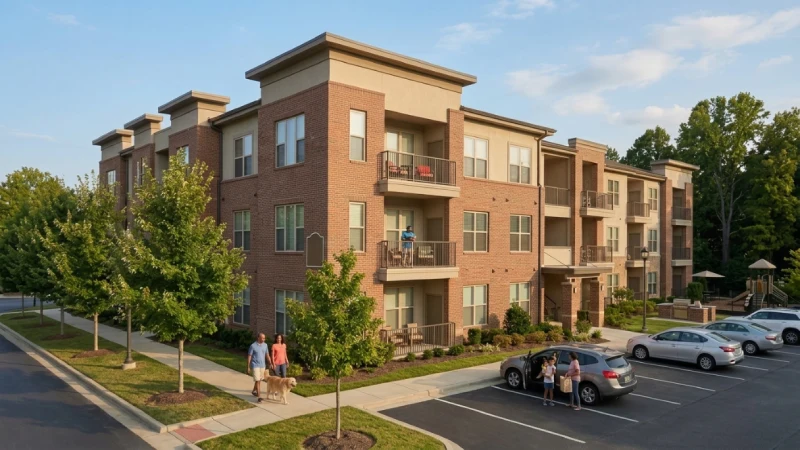
Multifamily real estate can support long-term wealth by creating income while building ownership value over time. Rent collected across several units may help cover property expenses, support loan repayment, and contribute to investor returns.
A longer holding period gives the property time to benefit from stable occupancy, rent growth, and stronger operations. These outcomes depend on the asset, financing, market conditions, and the experience of the operating team.
Factors That Support Long-Term Investment Growth
Multifamily investment returns can develop through different parts of the property’s financial and operating structure. The following factors show how value may develop during the holding period.
Multiple Units Can Create a Broader Income Base
A multifamily property receives rent from several households rather than relying on one tenant. If one unit becomes vacant, income from the remaining occupied units may continue.
This structure can reduce dependence on a single lease and help the operator plan for routine vacancies. Strong occupancy, appropriate rental pricing, and responsive management can support multifamily cash flow. Well-maintained units may also encourage resident retention and help control turnover costs.
Loan Repayment Can Increase Ownership Equity
Part of each loan payment may reduce the principal balance owed on the property. As that balance declines, the equity held in the asset may increase.
Rental revenue often supports these scheduled payments, allowing property income to contribute to ownership value during the holding period. This source of equity growth is separate from appreciation.
The pace depends on the financing terms, amortization schedule, and property performance. Even when property values remain steady, a lower debt balance may improve the investor’s position.
Income Growth Can Strengthen Property Value
Commercial multifamily properties are often valued partly on the income they generate. When revenue improves or operating expenses are managed effectively, the property may produce higher net operating income.
Operators may work toward this through better leasing, updated units, improved shared spaces, and attention to deferred maintenance. These changes may make the property more competitive and support reasonable rent growth.
Because buyers often review the earning ability of the asset, higher income may support a higher valuation. This creates a path for growth that is connected to property operations rather than relying only on the wider market.
Scale Can Support More Efficient Operations
Several apartments within one property can share management, maintenance systems, amenities, and service contracts. This may make costs easier to organize than managing separate rental homes across different locations.
Repairs, landscaping, security, and resident services can be coordinated across the community. When managed carefully, these efficiencies may help protect income and give the operator clearer insight into costs, occupancy, and performance.
Passive Access and Portfolio Diversification
Multifamily funds and syndications may give investors access to real estate without requiring them to manage tenants, maintenance requests, leasing, or renovations.
The operator typically oversees the acquisition, financing, business plan, reporting, and eventual sale. This structure can make passive real estate investing practical for investors who want real estate exposure without becoming direct landlords.
Multifamily assets may also diversify a portfolio concentrated in public stocks and bonds. Their performance is influenced by property income, local housing demand, financing, and asset management.
What Supports Stronger Long-Term Results
Long-term wealth creation depends on the quality of the property and the decisions made throughout the investment. Market selection, purchase price, financing, reserves, and operational execution can all affect the outcome.
Investors should review vacancy assumptions, renovation budgets, insurance costs, taxes, fees, and the proposed exit plan. A realistic strategy should account for changing market conditions and unexpected expenses.
Time can support growth, but disciplined underwriting and active oversight are still needed to protect the asset and carry out the business plan.
Building Wealth Through Local Knowledge and Active Operations
The long-term performance of a multifamily investment depends on how carefully the opportunity is selected and managed. Local demand, property operations, financing decisions, and the execution of the business plan can all influence the final outcome.
At Bighorn Capital Fund, we combine local market knowledge with real estate operating experience to identify and manage multifamily opportunities. This gives investors passive access to real estate while our team oversees the strategy and operational decisions throughout the investment period.
Frequently Asked Questions
How does multifamily real estate build long-term wealth?
It may build wealth through rental income, loan repayment, stronger property performance, and appreciation that develops during the investment holding period.
Why are multiple rental units beneficial?
Income from several units reduces reliance on one tenant and may support steadier property revenue when individual units become vacant.
Can loan repayment increase investor equity?
Yes. As scheduled payments reduce the principal balance, the ownership equity in the property may increase over time.
Can multifamily investing provide passive income?
A professionally managed fund or syndication may provide distributions while the operator oversees financing, reporting, leasing, maintenance, and property operations.
Why does the local market matter in multifamily investing?
Local employment, housing supply, rental demand, and population trends can influence occupancy, rent growth, operating performance, and future property value.